Trading Education and Market Research
Start with the Stoic Range Model: one map, two setups. Then explore entries, risk, and trading psychology.
Compass guides
Direct answers about the TradingView indicator, colors, access, and what Compass does not do.
What is Stoic Edge Compass?
See directional and caution dots, Trend Ribbon, 200 EMA, Momentum Candles and key levels in one invite-only TradingView indicator.
Does Compass give buy or sell signals?
No. Compass publishes chart context. It does not place entries, stops, targets, or position size.
How to read Green, Red, and Yellow on Compass
Read directional dots, yellow range and momentum warnings, and the color-changing 200 EMA alongside your own setup and risk plan.
How to add an invite-only TradingView indicator
Add Compass after your manual invite arrives, set up the updated display, and recreate alerts when upgrading an existing chart.
Why Stoic Edge Built Compass
See the chart-reading problem Compass addresses, its design choices, and the trading decisions it leaves to you.
Stoic Range Model: Consolidation, Expansion, and Two Setups
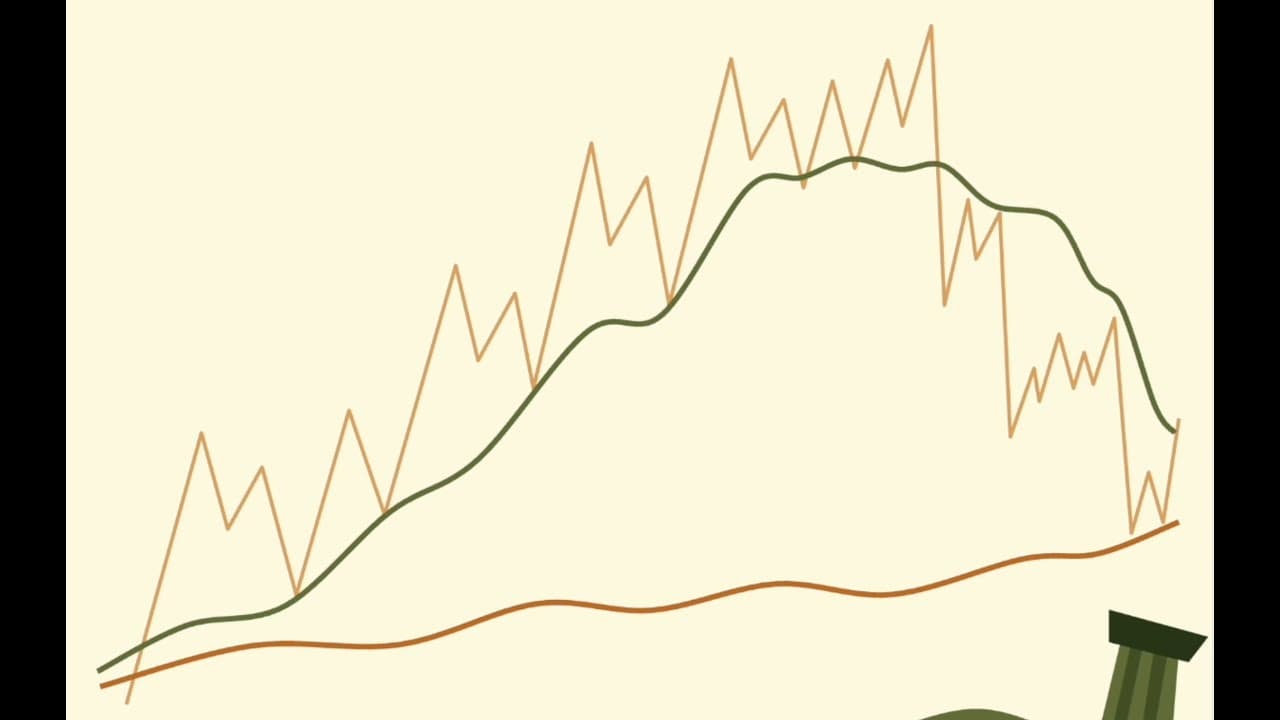
Trend Following: Plan the Pullback Before Taking the Entry
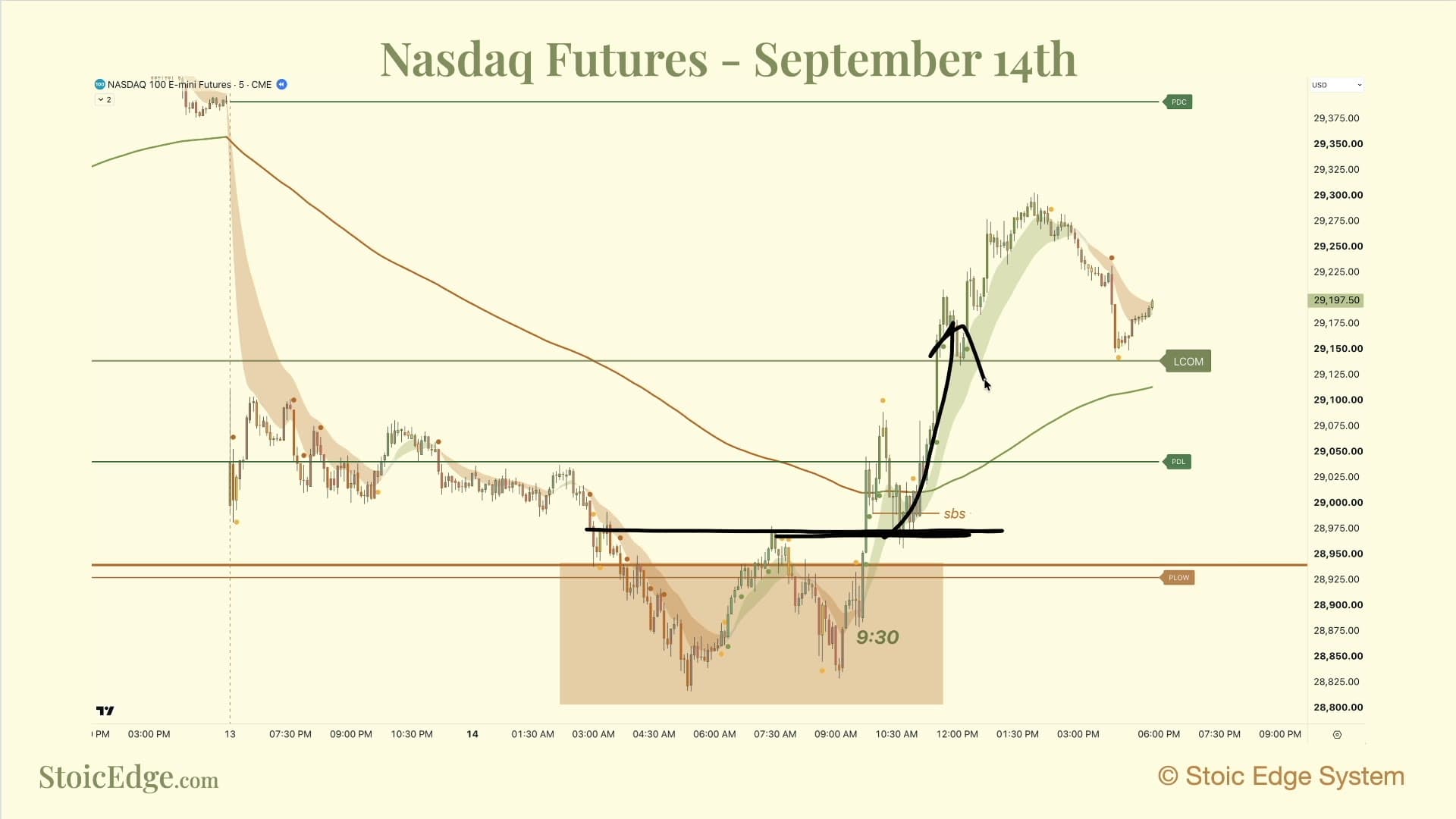
Break and Retest Trading: Location, Entry and Invalidation
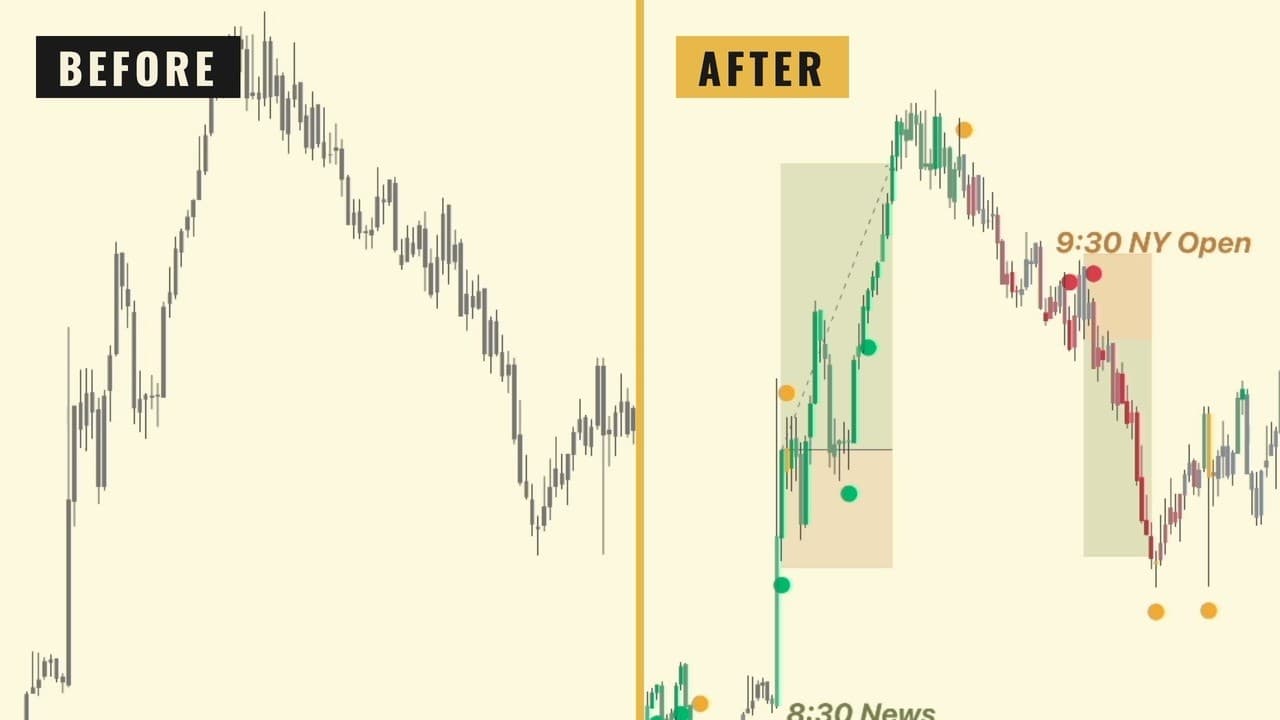
How to Use Stoic Edge Compass in a Trading Plan
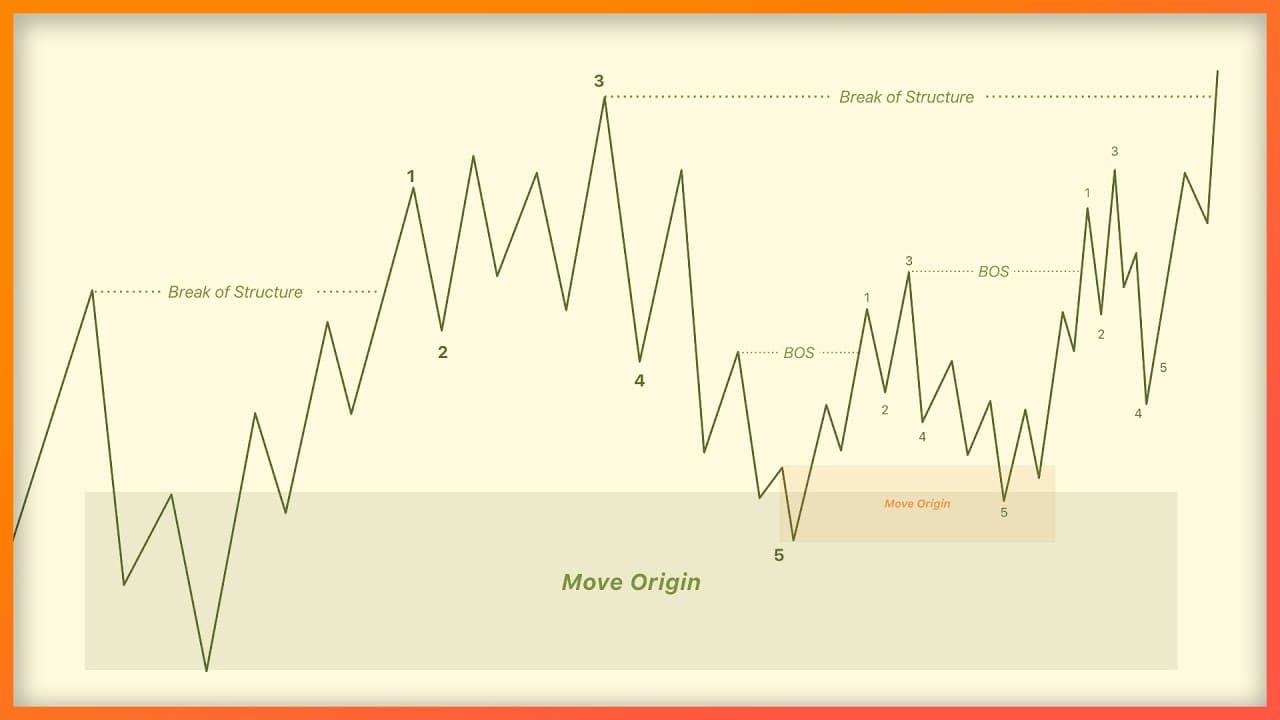
Market Structure Trading: Swings, Context and Reversal Confirmation

Mechanical Fibonacci Trading: Keep the Rule Versions Separate
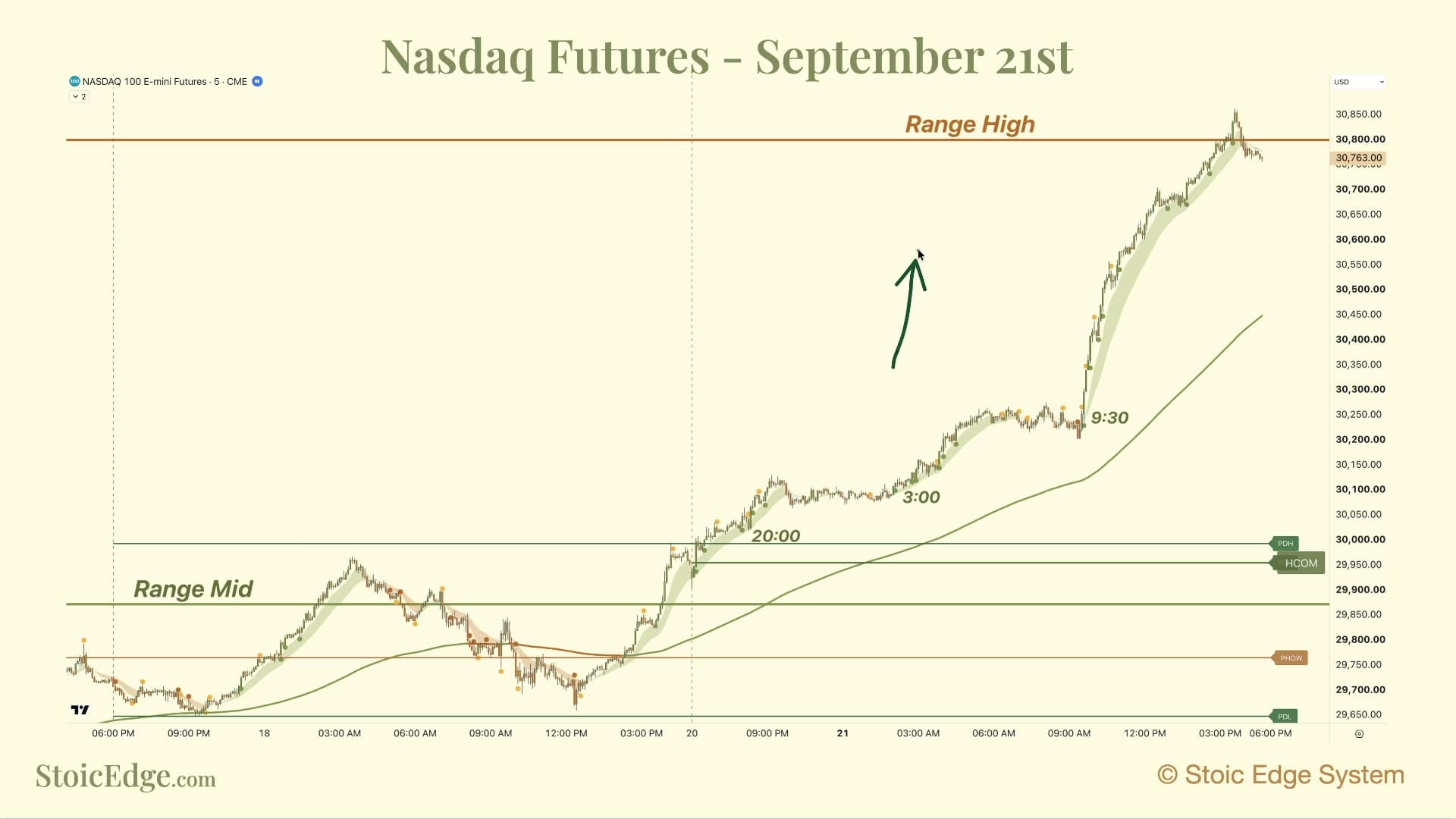
Range Trading Profit Targets: Midpoint, Boundary and Expansion
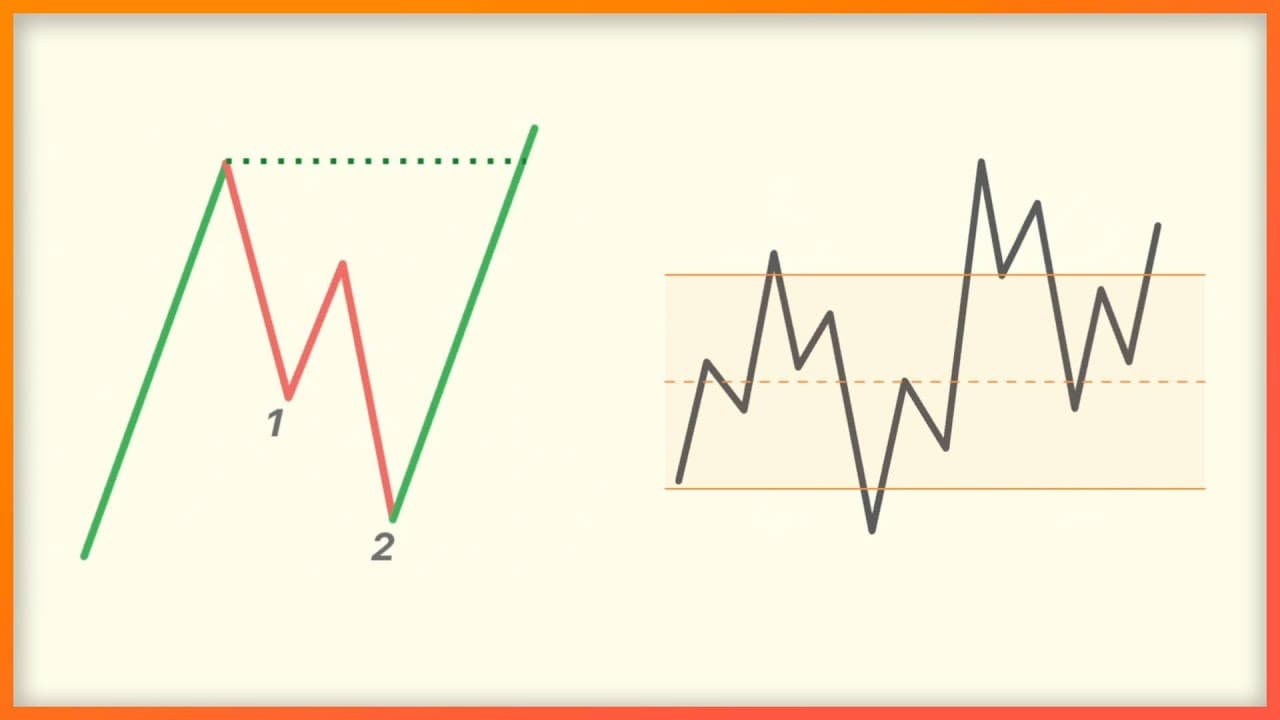
Scalping with Price Action: Context, Entry and a Stopping Rule
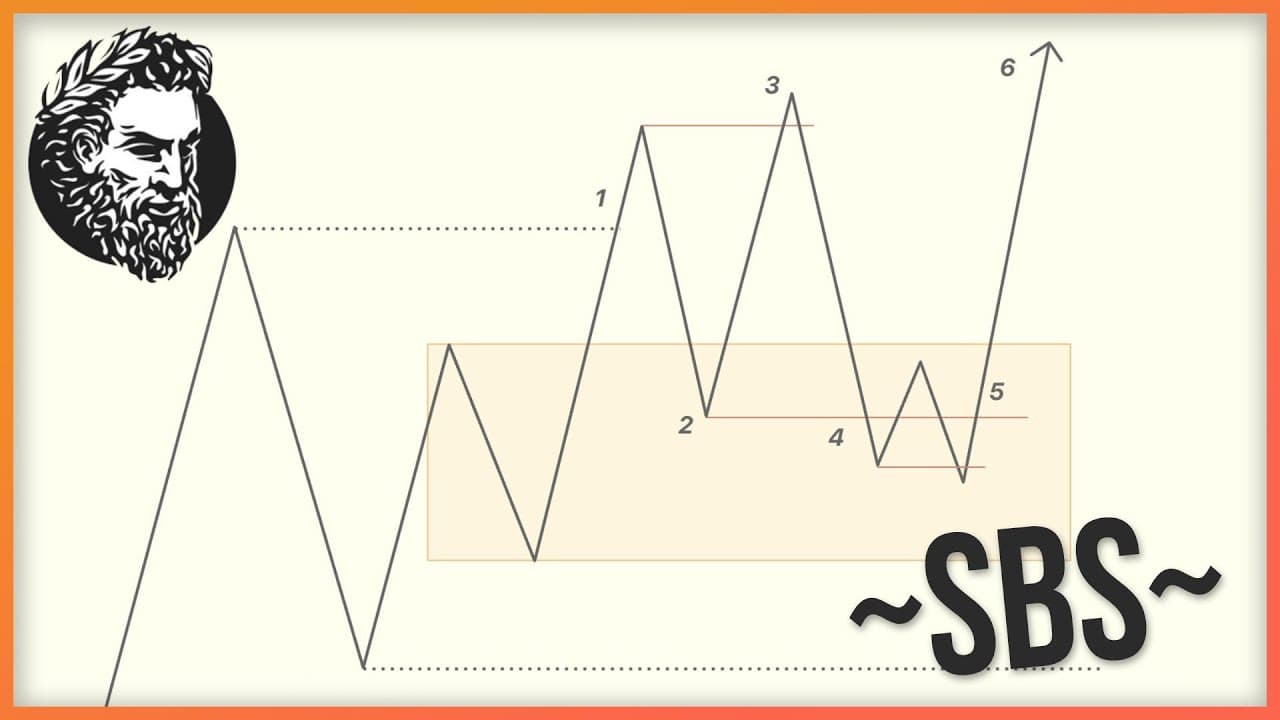
Swing Breakout Sequence: How to Study the SBS Trading Pattern
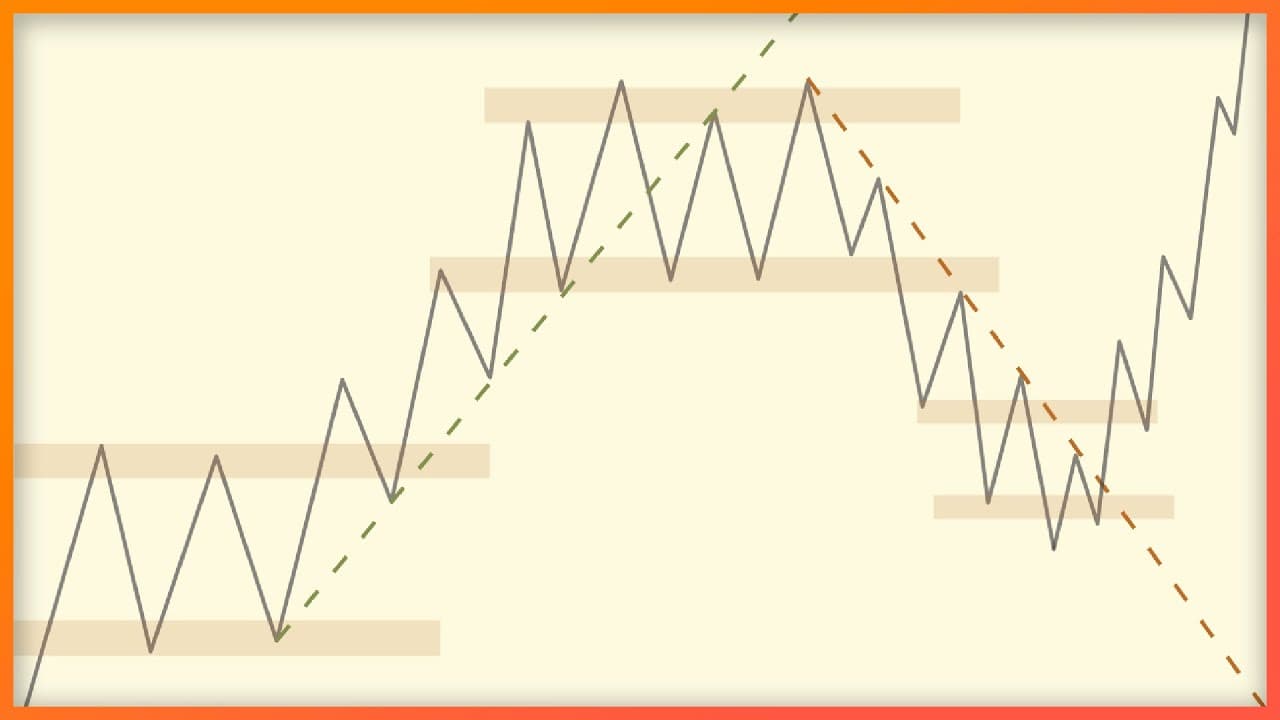
Technical Analysis Basics: Read Structure Before Adding Indicators

The Trading Execution Gap: Turn a Plan into Reviewable Decisions

Mental Rehearsal for Trading: Practice the Decision Before the Session

Trading Routine Checklist: Preparation, Execution and Closure
 Stoic Edge
Article
Why Traders Struggle: Process, Risk, and Weak Evidence
Why Traders Struggle: Process, Risk, and Weak Evidence
Stoic EdgeArticle
What Is Stoic Trading? A Practical Approach to Uncertainty
What Is Stoic Trading? A Practical Approach to Uncertainty
Stoic EdgeArticle
Prop Trading Evaluations: Rules, Costs, and Risk to Check
Prop Trading Evaluations: Rules, Costs, and Risk to Check
Stoic EdgeArticle
Swing Failure Pattern: Rejection, Risk, and Confirmation
Swing Failure Pattern: Rejection, Risk, and Confirmation
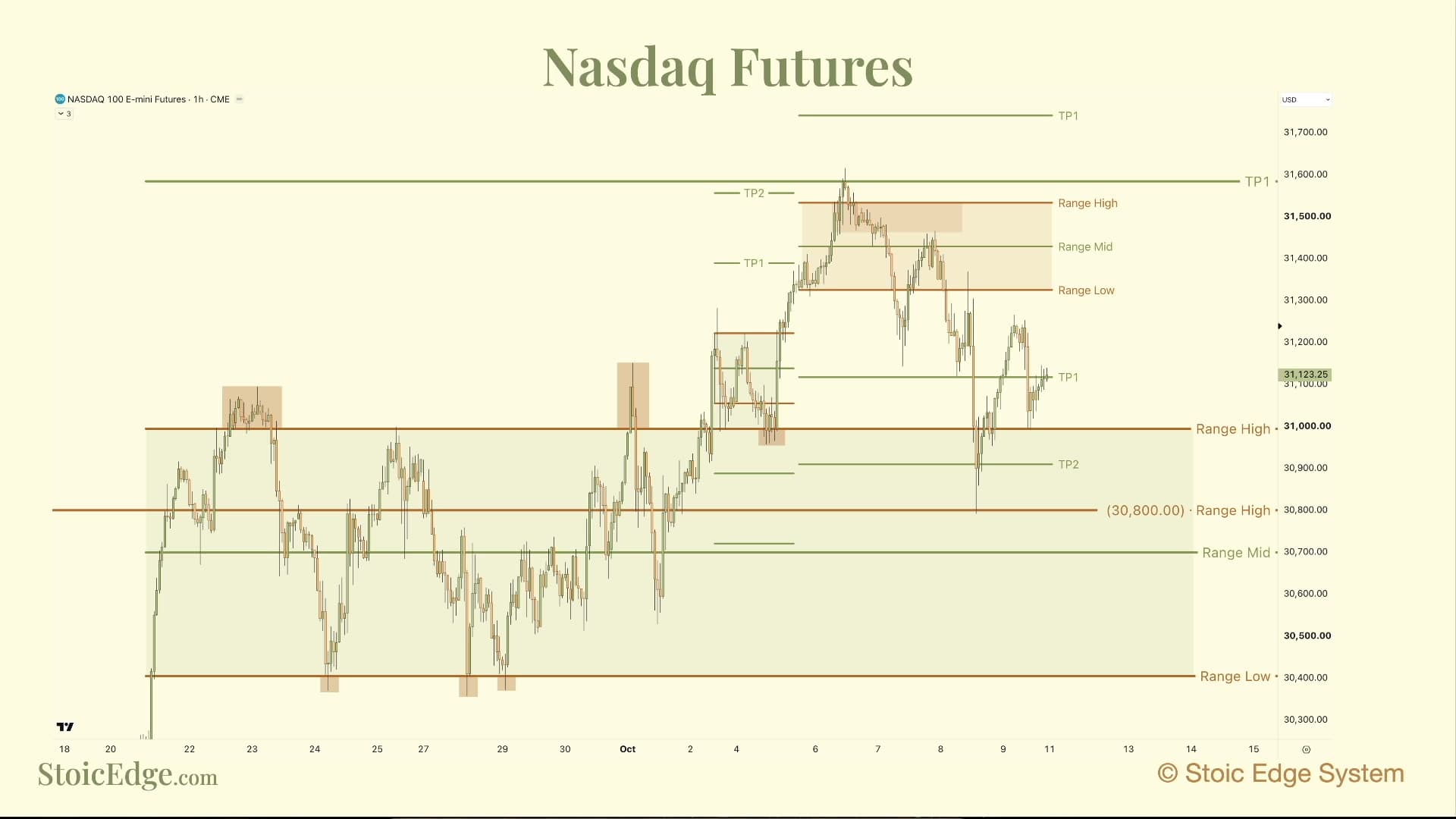
Stop Predicting the Market: Build a Conditional Trading Plan
Stoic EdgeArticle
Stop-Loss Strategy: Structure, Position Size, and Execution
Stop-Loss Strategy: Structure, Position Size, and Execution
Stoic EdgeArticle
ICT Trading Strategy: How to Study and Test the Concepts
ICT Trading Strategy: How to Study and Test the Concepts
Stoic EdgeArticle
How Stoic Edge Researches a Market Question
How Stoic Edge Researches a Market Question
Stoic EdgeArticle
Day Trading for Beginners: A Practical Study Plan
Day Trading for Beginners: A Practical Study Plan

Trading Psychology: How to Control Emotions in Trading

How to Stop Overtrading: Know When the Trade Is Finished

How to Use Previous Day High, Low, and Close
Stoic EdgeArticle
1-2-3 Trading Setup: The Complete Stoic Edge Guide