Trend Following: Plan the Pullback Before Taking the Entry
Study a trend-following process using swing structure and pullback confirmation, with an optional moving-average filter from the older lessons.
3 min read
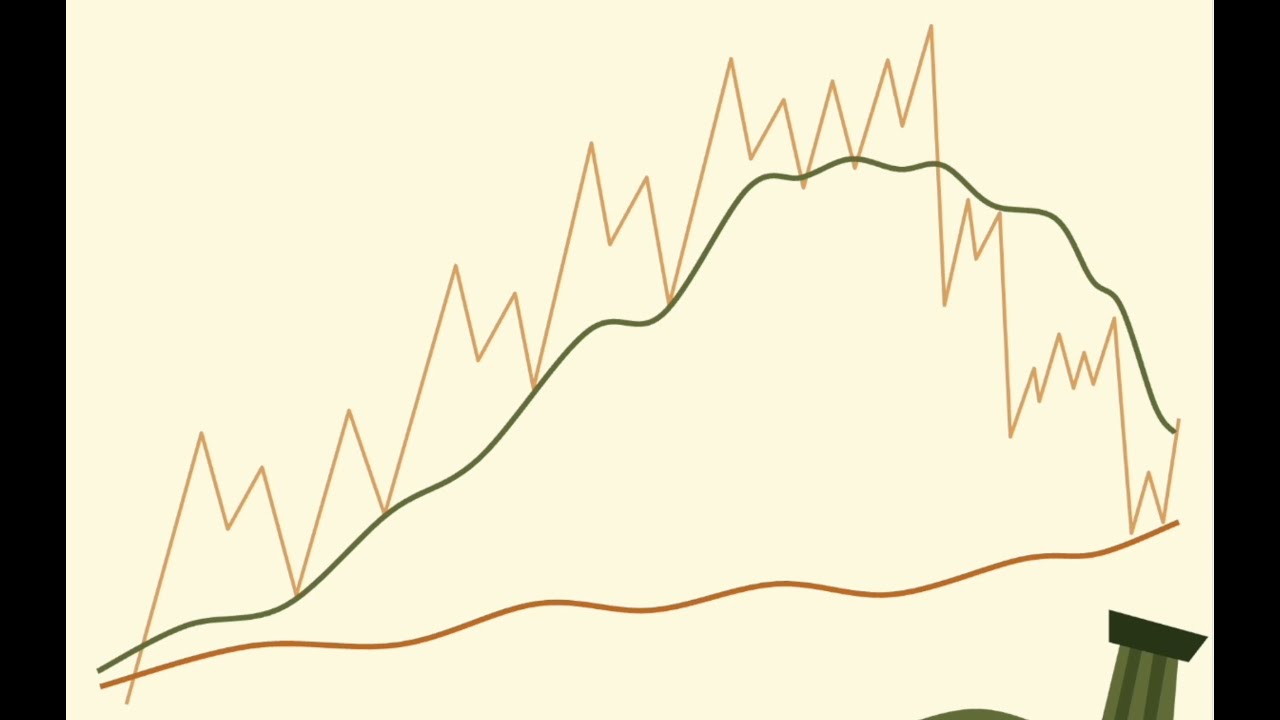
One trend-following setup starts with a direction and a location where joining that direction makes sense. Buying because the last candle was strong leaves the entry, invalidation and exit unresolved.
The March 2024 lesson works with confirmed swings and returns to the origin of a move. The May 2025 system adds 20- and 200-period simple moving averages as a directional filter. These are related historical applications, with different execution details.
Establish the context first
Mark the swing or parent range on your context timeframe. In a bullish example, identify the move that broke the relevant high and the pullback area you will study. In a bearish example, reverse the relationship.
The 2024 recording pairs a higher timeframe with an execution timeframe, such as a 15-minute context and a one-minute entry chart. Those settings illustrate the method. They are not evidence that the same pair suits every market, schedule or trader.
Keep the larger range on the chart while inspecting the smaller sequence. One minor break on the execution chart may simply be movement inside the parent range.
Wait for the pullback response
The lesson calls an area “unmitigated” when price has not returned to it after the relevant move away. That is a chart description. It does not prove that a particular institution has unfinished orders there.
Mark the area before price returns. Then define what you need to observe on the execution chart: a reversal of the pullback, a structure break, or a held retest under the specific model you are testing.
If price goes straight through the area, keep the failed example. Do not widen the zone until the later reversal falls inside it. That habit makes historical analysis look more consistent than the decision actually was.
Treat moving averages as an optional filter
The May 2025 system lesson uses 20- and 200-period simple moving averages on the chart timeframe. It explicitly distinguishes SMA from EMA and combines the directional reading with a pullback entry.
An average summarizes past prices. It can help standardize a filter, but it does not settle whether the next trade will win. Choppy conditions can repeatedly change the relationship between price and the averages.
If you test this version, specify which side of the averages price must be on, whether completed bars are required, and when the bias changes. Keep those rules separate from the March 2024 structure-only version.
Match the exit to the available room
The older chart examples consider nearby zones as well as a possible new swing extreme. Holding for a new high requires accepting the risk that price reverses before reaching it. Taking an earlier objective creates a different outcome distribution.
Decide which management rule you are studying before entry. For a Range Model break and retest, the one- and two-range-height projections offer reference objectives. For a historical structure application, record the exact swing or zone used as the target.
Build a reviewable sample
Save the chart before the pullback, at entry permission and at exit. Note whether you followed the original stop and target rules. Record missed and unfilled setups alongside completed trades.
Review execution quality separately from profit. Following a consistent process makes a strategy easier to evaluate; it does not guarantee profitability. Start with the 2024 trend-following lesson, then compare the optional average filter only after the basic structure rules are clear.
Stoic Edge provides education. Historical examples and practice exercises do not establish future performance.
Watch the source videos
Study the original demonstrations alongside this guide. Recording dates and historical context appear on each video page.
Put the Lesson Into Practice
Study the course, keep notes and review trades in Stoic Journal beta, and learn alongside the Stoic Traders community.
Compare monthly and yearly course access before joining on Skool. Compass is included while monthly membership is active; yearly Premium includes lifetime course and Compass access. You can also get Stoic Edge Compass separately.
