Market Structure Trading: Swings, Context and Reversal Confirmation
Understand market structure through swing highs, swing lows and the move that broke a level. Separate the parent range from an internal reversal.
3 min read
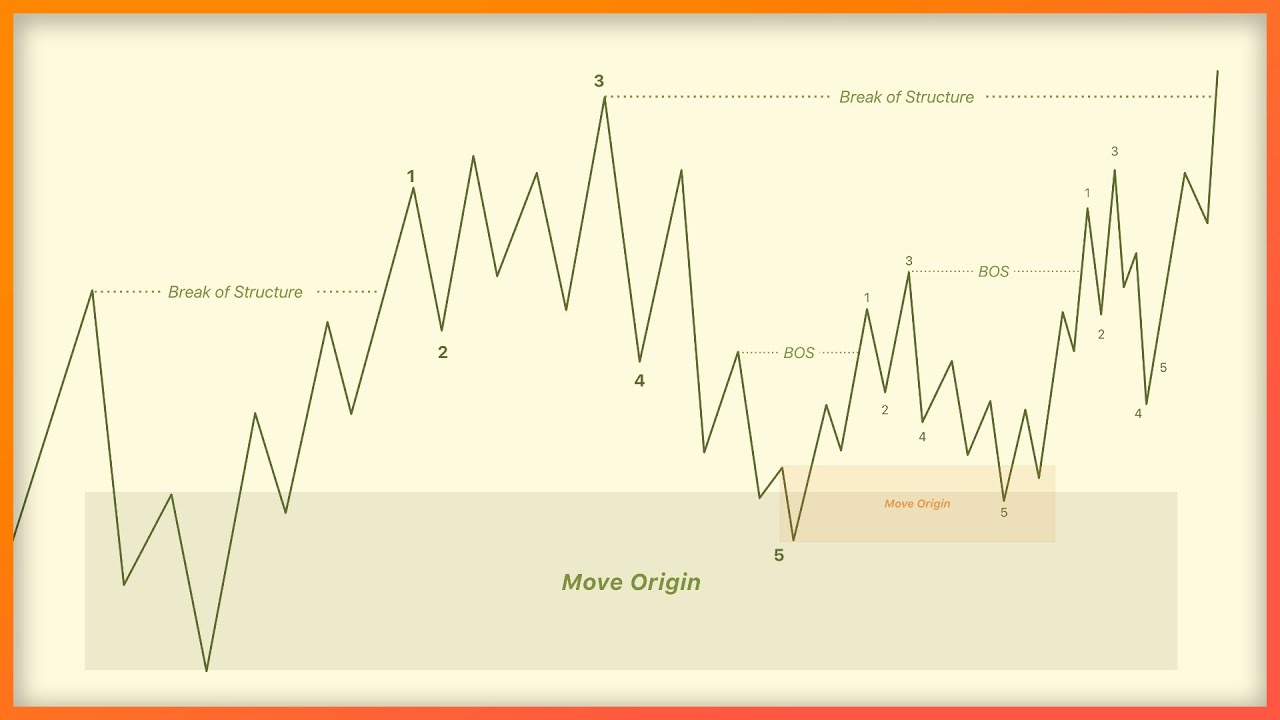
Market structure describes how successive highs and lows relate to one another. Its practical use is to give an entry context: where the setup is forming, which swing it is responding to, and what would make that reading fail.
Stoic Trader’s 2023 and 2025 lessons study structure at more than one timeframe. Read them alongside the current Range Model, where the parent range stays visible while smaller entry patterns develop.
Start with a consistent swing definition
On a bullish sequence, price makes a higher high after a pullback. The low associated with that move is a reference for the next structural decision. On a bearish sequence, reverse the relationship: lower lows and lower highs.
Choose your swing-marking convention before reviewing examples. Decide which timeframe defines the context and what counts as a break. One wick through a level and a sustained move beyond it are different observations. If your rule changes after the outcome, the labels stop being useful evidence.
The videos use terms such as “protected low” and “move origin.” A protected low is the reference low associated with a subsequent break higher in that lesson’s structure model. The move origin is the area from which the relevant move began. Neither term means price must hold there.
Keep internal movement separate from the parent range
An hourly pullback can contain a complete bearish sequence on a one-minute chart. That smaller bearish sequence does not, by itself, prove the hourly structure has reversed.
Write the two readings separately. For example: price is pulling back within the parent range; the execution chart is making lower highs. Then define the event you need before considering a change on the execution chart.
The 2023 deep dive repeatedly distinguishes the larger swing from the intermediate movement inside it. This helps explain why buying every small break higher can lead to repeated entries in the middle of an unresolved pullback.
Study the response at the area
The lessons look for a return toward the origin of a prior move, followed by a change in the smaller structure. The useful sequence is location, response, then entry permission.
For a bullish reversal example, price may sweep a low, recover, break a relevant smaller high and return to test the recovered structure. If the recovery fails, the bullish idea needs to be rejected according to the rule you set. The swing-failure guide explains the difference between a brief breach and a completed setup.
Avoid turning the phrase “trapped traders” into a fact about specific market participants. One chart shows price and the data supplied by that market. It does not reveal every trader’s position, motive or stop order.
Define risk before selecting a target
Mark the condition that invalidates the setup before calculating position size. Then compare the entry-to-stop distance with the available room to the next objective. Nearby opposing structure may make an otherwise recognizable pattern unattractive.
For the current Range Model, use midpoint and opposite-boundary objectives for a sweep and held retest inside the range. For a break and held retest outside, use one and two range heights as reference projections. The older structure lessons may use prior swing extremes; keep the version you are testing explicit.
Review examples without relabeling them
Freeze a chart before the response, mark the parent range and internal swings, and write one conditional decision. Reveal the next candles and keep the original marks. Save the failed and unclear examples too.
Use the 2023 foundations lesson, market-structure deep dive and 2025 market-structure course to compare the language across recordings. They share a concern with location and confirmation, but their historical entry details should not be combined into an unwritten new system.
Stoic Edge provides education. Historical examples and practice exercises do not establish future performance.
Watch the source videos
Study the original demonstrations alongside this guide. Recording dates and historical context appear on each video page.
Put the Lesson Into Practice
Study the course, keep notes and review trades in Stoic Journal beta, and learn alongside the Stoic Traders community.
Compare monthly and yearly course access before joining on Skool. Compass is included while monthly membership is active; yearly Premium includes lifetime course and Compass access. You can also get Stoic Edge Compass separately.
