Scalping with Price Action: Context, Entry and a Stopping Rule
Build a selective scalping study plan around trend or range context, a defined entry pattern, realistic costs and a clear session boundary.
3 min read
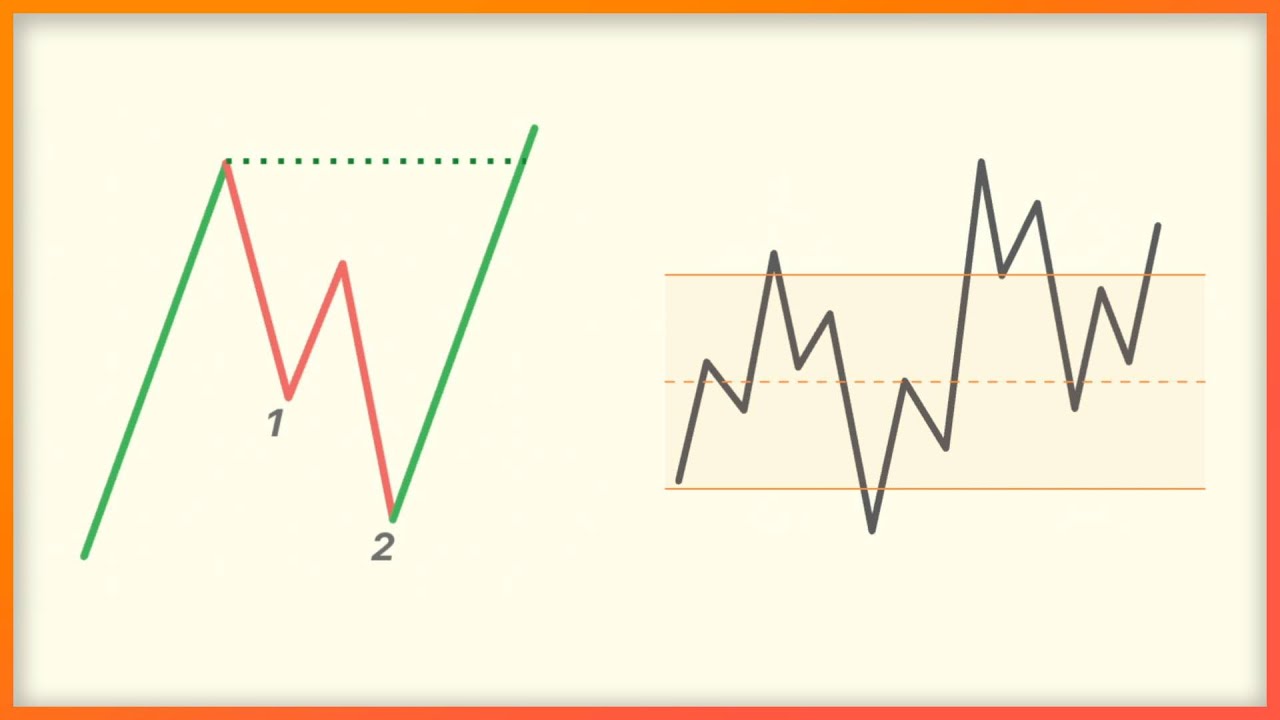
Scalping describes a short holding period. It does not require taking every visible fluctuation or placing a large number of trades.
The April 2024 lesson separates reading the environment, choosing an entry model and managing the trade. It also discusses two-legged pullbacks and the difficulty of expecting a fresh expansion from every move. This guide turns those ideas into a focused study plan.
Decide whether you are trading a range or a trend
Before moving to the execution chart, mark the parent range and the nearest relevant boundaries. Price can be moving quickly inside a range without establishing a sustained breakout.
For a range setup, examine the response at a boundary. For a trend-continuation setup, identify the pullback you are willing to study. The current Range Model uses sweep and held retest inside the range, or break and held retest outside it.
Do not assume every range breakout fails. The recording discusses failed breakouts as a pattern to investigate; it does not supply a verified frequency for every market and timeframe. Your own test must define the event and include failures in both directions.
Choose one entry application
The lesson discusses a two-legged pullback: one move against the prevailing direction, an intervening response, then another attempt. It also considers a second attempt that fails to make a new extreme.
The shape needs a location and a trigger. One two-legged pullback in the middle of unclear structure is different from the same shape at a level your plan marked beforehand. Write what has to happen after the second leg before an order is permitted.
If you instead use a 1-2-3 entry or SBS, keep that choice fixed for the study batch. Switching entry models whenever the chart changes makes the results difficult to interpret.
Count execution costs before judging a small target
Short holding periods can leave little room between the planned entry and objective. Include commissions, spread and a realistic allowance for slippage in the review. Check the contract or instrument’s actual tick value when converting a price distance into money at risk.
FINRA’s intraday trading guidance discusses how frequent trading can accumulate substantial costs and expose traders to execution problems. Those frictions matter when comparing a small gross gain with the possible loss.
Simulation is useful for learning order handling, but simulated fills may be more favorable than live fills. Mark that limitation in the journal.
Define when the session ends
Choose a session window, a loss limit and the conditions that end trading for the day. Decide them while you are calm. Reaching a financial goal is not something the market is obligated to provide during that window.
Record the reason for every additional trade. “The next valid setup under my rules” can be reviewed. “I needed to make the money back” points to a different decision process. The overtrading guide provides a checklist for stopping.
Review selectivity as well as results
Save the valid setups you skipped, the invalid setups you took, and the sessions with no qualifying trade. This shows whether the difficulty is recognizing the setup, waiting for it, or executing it.
Watch the scalping lesson for the original chart discussion. Begin the study with one market and a timeframe you can follow accurately. Faster charts add more decisions; they do not supply evidence of a better edge.
Stoic Edge provides education. Historical examples and practice exercises do not establish future performance.
Watch the source videos
Study the original demonstrations alongside this guide. Recording dates and historical context appear on each video page.
Put the Lesson Into Practice
Study the course, keep notes and review trades in Stoic Journal beta, and learn alongside the Stoic Traders community.
Compare monthly and yearly course access before joining on Skool. Compass is included while monthly membership is active; yearly Premium includes lifetime course and Compass access. You can also get Stoic Edge Compass separately.
