1-2-3 Trading Casebook: Continuation, Failure, and Wait
Compare three illustrated PTB decisions: qualified continuation, qualified loss, and a no-trade case with poor room.
Begin with the Range Model: two setups and two targets. This page gives supporting detail or an entry-method reference within that map. Its method-specific conditions apply when you choose that method.
Practice the decision with future candles hidden. The three cases below use invented prices to isolate one distinction: a qualified setup can continue or fail, while a similar-looking candle can be a justified no-trade.
These are educational schematics, not actual trades or a backtest. They establish no success rate or expected return.
Before the reveal
For each case, assume the daily and hourly map supports the proposed direction only where stated. Check the five-minute sequence, completed candidate, inside-bar status, trigger, stop reference, and room. Write whether the trade is qualified, incomplete, or invalid before advancing.
Case 1: qualified continuation
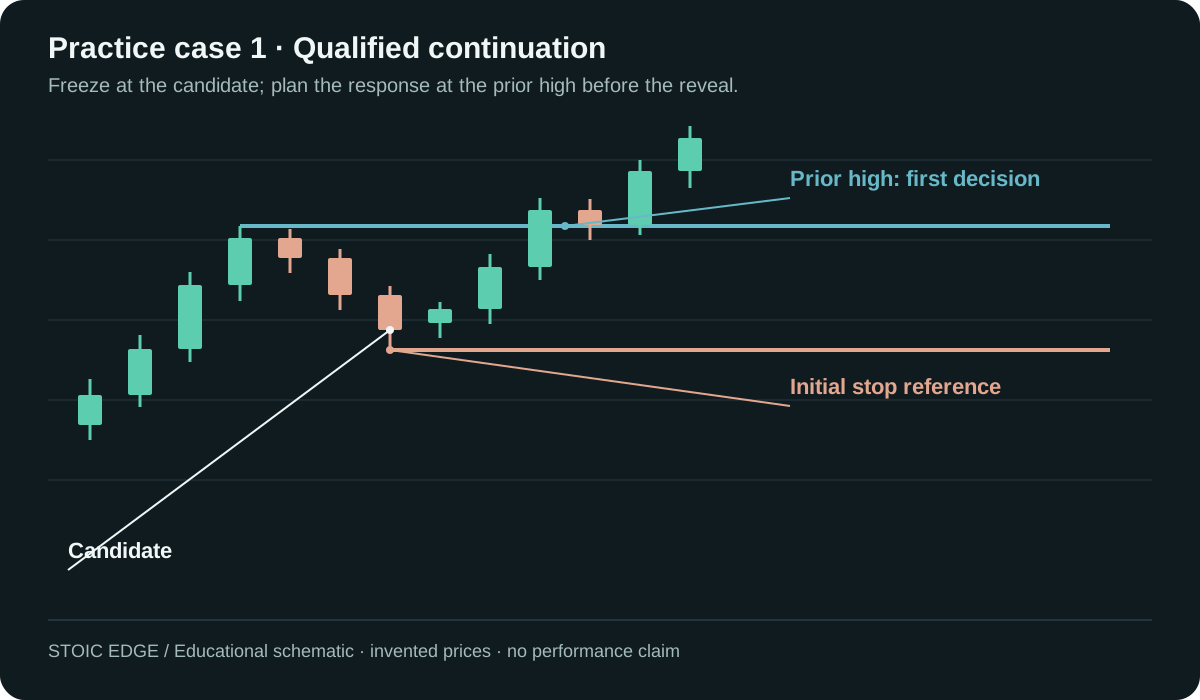
Frozen conditions: the map supports the direction, the 1-2-3 is clear, and a completed eligible pullback candle leaves useful room under the written risk plan. The directional trade-through confirms the PTB.
Decision: the entry may qualify. Before the prior high is tested, write the action for rejection and the trail for a clean break.
Reveal: this invented path continues through the prior high. The result does not prove the entry would win in another case. Grade whether the planned actions were followed.
Case 2: qualified loss
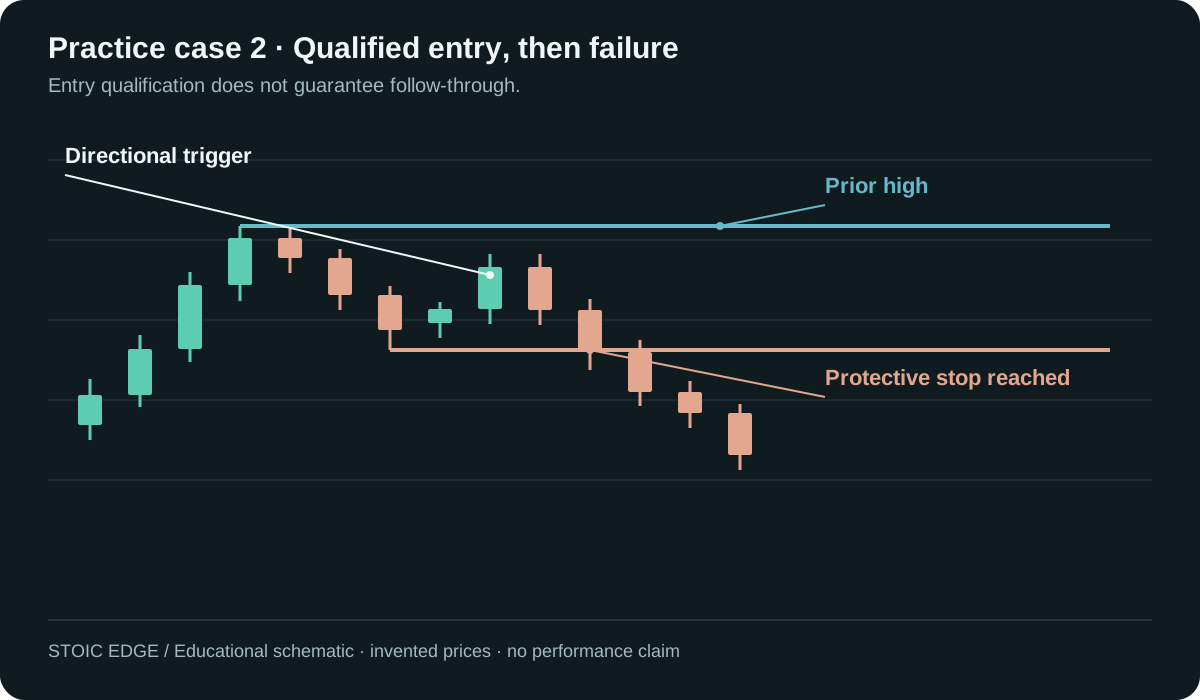
Frozen conditions: use the same qualification checks. The candidate completes and the directional trigger occurs.
Decision: the setup may qualify even though the later path is unknown. Size and the protective action must be defined before activation.
Reveal: price reverses through the initial stop reference. The hypothetical loss does not retroactively invalidate an eligible candle. Keep process and outcome separate in the journal.
One later clean same-chart retry may qualify if the original five-minute 10/20 structure remains valid. Two consecutive failed initial PTBs end that sequence. Do not translate this into an automatic parent-led retry policy.
Case 3: no trade because room is poor
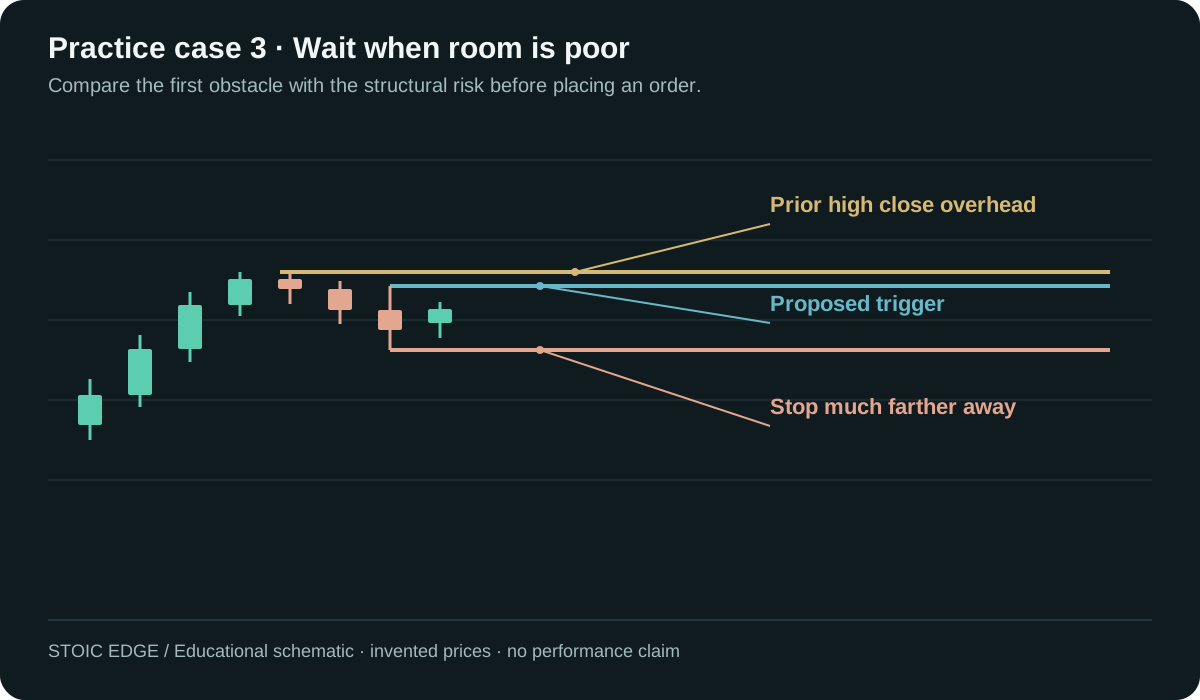
Frozen conditions: a plausible candidate sits close to the prior high. The structural stop is much farther from the proposed entry.
Decision: if that room fails your written risk requirement, wait. A neat candle does not repair the trade geometry.
Reveal: no future path is supplied. The exercise is complete when you can justify the refusal using available information. A later winner would not create room that was missing at entry.
Compare the three decisions
The first two cases differ in outcome. The third differs in qualification. Explain that distinction in one sentence before adding new examples.
Next, collect real replay cases with instrument, date, session, timeframe, and screenshots at the frozen decision. Include wins, losses, breakeven trades, inside bars, missed entries, and chop. Never describe a simulation as a live result.
Use the checklists to record decisions and the flagship guide to review the full framework, including the separate Module 01 boundary-break approach.